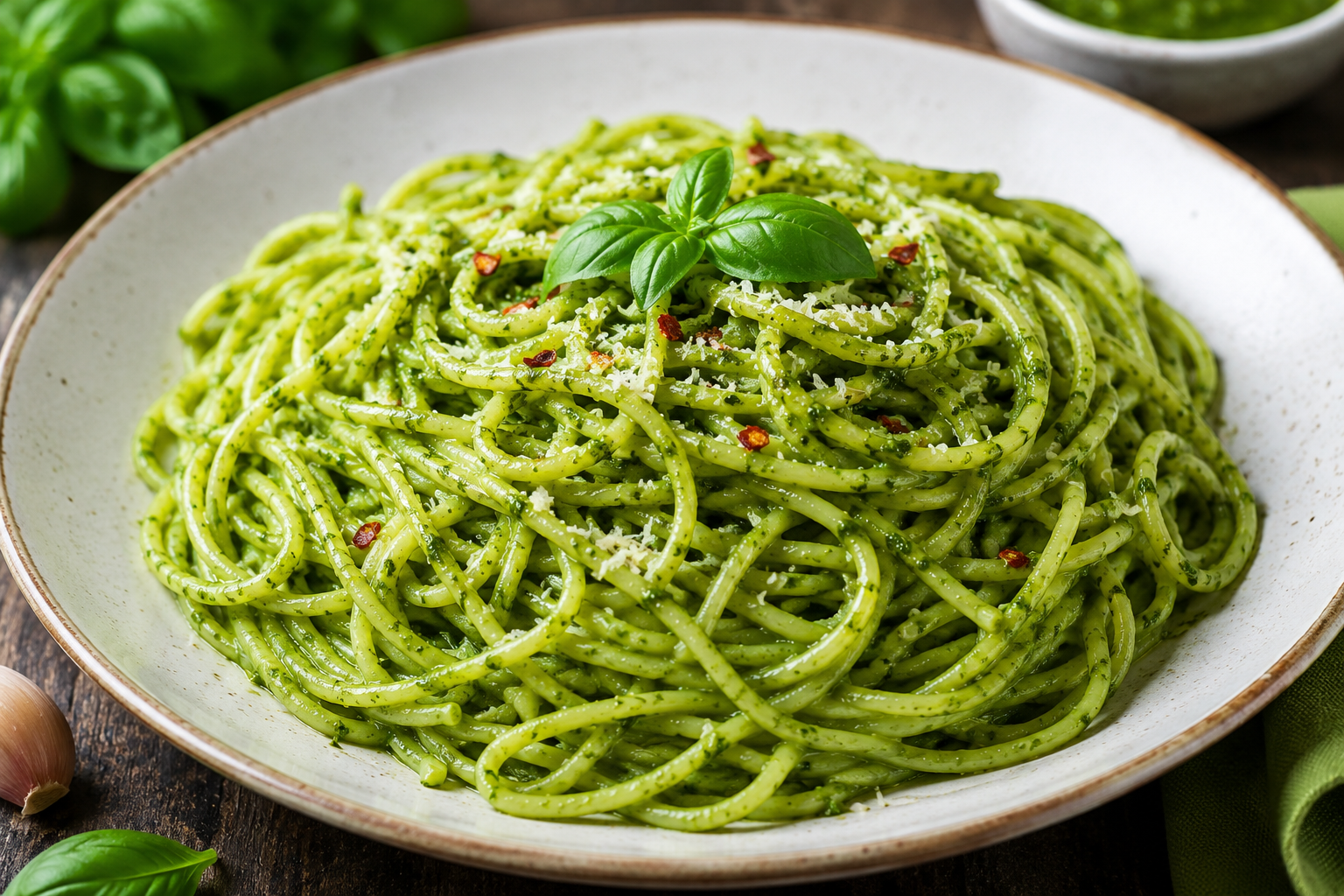
Introduction to Green Spaghetti
Green spaghetti is one of those dishes that instantly catches attention. The vibrant color, creamy texture, and rich flavor make it stand out from traditional pasta recipes. While classic spaghetti dishes often rely on red tomato-based sauces or simple olive oil preparations, green spaghetti offers something entirely different. It combines fresh vegetables, herbs, and creamy ingredients to create a unique pasta experience that is both satisfying and visually appealing.
This dish has become increasingly popular among home cooks and food enthusiasts because it provides a delicious way to incorporate more vegetables into everyday meals. The green sauce is typically made using ingredients such as spinach, poblano peppers, cilantro, parsley, basil, or other leafy greens, depending on the recipe. These ingredients not only contribute to the beautiful color but also add depth and freshness to the overall flavor profile.
Whether served as a quick weeknight dinner, a side dish for gatherings, or a centerpiece for special occasions, green spaghetti delivers a balance of comfort and sophistication. Its versatility allows cooks to customize the recipe according to personal preferences while maintaining its signature creamy and vibrant character.
What Makes Green Spaghetti Unique
One of the defining characteristics of green spaghetti is its distinctive sauce. Unlike conventional pasta sauces, which often focus on tomatoes or cream alone, green spaghetti combines vegetables and herbs with creamy elements to create a smooth and flavorful coating for the pasta.
The visual appeal of the dish is another reason for its growing popularity. The bright green color immediately signals freshness and creativity. In a world where food presentation has become increasingly important, green spaghetti offers a stunning appearance without requiring complicated techniques or expensive ingredients.
Beyond its appearance, the flavor profile is remarkably balanced. The herbs contribute freshness, the vegetables add subtle earthiness, and the cream creates richness without overwhelming the palate. This combination results in a dish that feels indulgent while still maintaining a lighter and fresher character than many traditional pasta recipes.
The flexibility of green spaghetti also sets it apart. It can be prepared as a vegetarian meal, enhanced with proteins such as chicken or shrimp, or adapted to various dietary preferences. This adaptability makes it suitable for a wide range of occasions and tastes.
The Origins and Cultural Influence of Green Spaghetti
Green spaghetti has strong connections to Mexican cuisine, where it is often known as “Espagueti Verde.” This beloved dish frequently appears at family gatherings, celebrations, and festive meals. In Mexican households, the sauce is commonly made with roasted poblano peppers blended with cream and cheese, creating a rich and slightly smoky flavor.
Over time, green spaghetti has evolved beyond its traditional roots. As global culinary trends have embraced fusion cooking and vegetable-focused dishes, many variations have emerged. Different regions and cultures have introduced their own ingredients, resulting in countless interpretations of the recipe.
The popularity of green spaghetti has also benefited from the growing interest in colorful foods. Consumers increasingly seek meals that are both nutritious and visually appealing. Green spaghetti perfectly aligns with these preferences, offering a dish that looks exciting while delivering satisfying flavors.
Today, green spaghetti can be found in restaurants, food blogs, and home kitchens around the world. Its ability to bridge comfort food traditions with modern culinary creativity has contributed significantly to its widespread appeal.
Key Ingredients Used in Green Spaghetti
The ingredients used in green spaghetti can vary considerably, but certain components remain common across most recipes. Understanding these ingredients helps explain why the dish achieves its distinctive taste and texture.
Leafy greens are often the foundation of the sauce. Spinach is a popular choice because of its mild flavor and vibrant color. Basil, parsley, and cilantro may also be included to enhance freshness and complexity. These ingredients contribute nutrients while maintaining the dish’s bright appearance.
Poblano peppers play a significant role in many traditional versions. When roasted, they develop a smoky sweetness that adds depth to the sauce. Their mild heat level makes them accessible to a broad audience while still providing character.
Cream, cream cheese, or sour cream is typically added to achieve a silky texture. These ingredients help bind the vegetables and herbs into a smooth sauce that coats the pasta evenly. Cheese such as Parmesan or queso fresco may be incorporated for additional richness and flavor.
Garlic and onions serve as aromatic foundations that enhance the overall taste. These ingredients complement the herbs and vegetables while adding savory depth. Together, all these components create the signature flavor profile associated with green spaghetti.
Health Benefits of Green Spaghetti
One reason green spaghetti continues to gain popularity is its potential nutritional value. Since the sauce is often based on vegetables and herbs, it can provide a range of vitamins, minerals, and antioxidants that support overall health.
Spinach, a common ingredient in green spaghetti, is rich in iron, vitamin K, vitamin A, and folate. These nutrients contribute to bone health, immune function, and energy production. Including spinach in pasta sauce allows people to enjoy these benefits in a delicious and approachable format.
Fresh herbs such as parsley and cilantro contain antioxidants that help protect the body from oxidative stress. They also add flavor naturally, reducing the need for excessive amounts of salt or artificial seasonings. This makes green spaghetti a flavorful option that does not rely heavily on processed ingredients.
Depending on the preparation method, green spaghetti can also be customized to support various dietary goals. Using whole wheat pasta increases fiber content, while reducing cream or substituting lighter alternatives can lower calorie levels. The flexibility of the recipe allows individuals to create a version that aligns with their nutritional preferences.
How to Make Green Spaghetti at Home
Preparing green spaghetti at home is surprisingly simple. The process typically begins with cooking the pasta according to package instructions until it reaches the desired level of tenderness. While the pasta cooks, the sauce ingredients can be prepared simultaneously.
For a classic green sauce, leafy greens and herbs are blended with roasted peppers, garlic, cream, and cheese until smooth. The resulting mixture should have a velvety consistency that easily coats the pasta. Some cooks prefer to sauté the vegetables beforehand to enhance flavor and improve texture.
Once the sauce is ready, it is gently heated in a large pan. The cooked pasta is then added and tossed thoroughly to ensure every strand is evenly coated. Additional cheese or herbs may be sprinkled on top before serving.
Homemade green spaghetti offers the advantage of complete control over ingredients and flavors. Adjustments can be made to spice levels, creaminess, and herb combinations to create a personalized version of the dish. This flexibility makes it an excellent recipe for both beginners and experienced cooks.
Popular Variations of Green Spaghetti
One of the most appealing aspects of green spaghetti is the variety of ways it can be customized. Different ingredients and cooking styles allow cooks to create unique versions while preserving the essence of the dish.
A spinach-based variation is particularly popular because it provides vibrant color and a mild flavor that appeals to many people. This version often includes garlic, cream, and Parmesan cheese for a smooth and comforting result.
Another common variation incorporates basil and pesto-inspired ingredients. This approach creates a more herbaceous flavor profile with notes of olive oil, nuts, and cheese. It offers a Mediterranean-inspired twist on traditional green spaghetti.
For those seeking additional protein, grilled chicken, shrimp, or salmon can be added. These ingredients transform green spaghetti into a complete meal while complementing the freshness of the sauce. Vegetarian versions may include mushrooms, zucchini, or peas for added texture and nutritional value.
Serving Suggestions for Green Spaghetti
Green spaghetti is incredibly versatile when it comes to serving options. Its rich yet fresh flavor allows it to pair well with a variety of side dishes and accompaniments.
A simple green salad with a light vinaigrette complements the creaminess of the pasta while adding additional freshness to the meal. The contrast between crisp vegetables and silky pasta creates a satisfying dining experience.
Garlic bread is another popular accompaniment. The crunchy texture and savory flavor provide a pleasant contrast to the smooth sauce. Together, these dishes create a comforting and complete meal suitable for family dinners or entertaining guests.
Green spaghetti can also serve as a side dish alongside grilled meats, roasted vegetables, or seafood. Its vibrant appearance makes it an attractive addition to buffet tables and holiday spreads. Because it can be prepared in advance and reheated easily, it is particularly convenient for gatherings and celebrations.
Common Mistakes to Avoid When Making Green Spaghetti
Although green spaghetti is relatively straightforward to prepare, a few common mistakes can affect the final result. Understanding these pitfalls can help ensure a successful dish every time.
One frequent issue is overcooking the vegetables used in the sauce. Excessive cooking can dull the vibrant green color and reduce the freshness of the flavor. Brief cooking times or blanching techniques help preserve both color and nutrients.
Another mistake involves using too much liquid in the sauce. An overly thin sauce may fail to adhere properly to the pasta, resulting in a less satisfying texture. Maintaining a balanced consistency ensures the sauce coats each strand evenly.
Insufficient seasoning can also diminish the overall flavor. While the vegetables and herbs contribute natural taste, proper seasoning with salt, pepper, garlic, and cheese is essential for creating a well-rounded dish. Tasting and adjusting throughout the cooking process helps achieve optimal results.
Why Green Spaghetti Continues to Grow in Popularity
Modern food trends increasingly emphasize fresh ingredients, vibrant colors, and balanced nutrition. Green spaghetti aligns perfectly with these preferences, making it an attractive option for contemporary home cooks and food enthusiasts.
Social media has also played a significant role in the dish’s popularity. The striking green color photographs beautifully and captures attention instantly. As people share their culinary creations online, green spaghetti continues to reach new audiences around the world.
The growing interest in plant-based eating has further contributed to its success. Since vegetables and herbs form the foundation of the sauce, green spaghetti offers a delicious way to incorporate more plant-based ingredients into everyday meals without sacrificing flavor or satisfaction.
Additionally, its versatility appeals to a broad range of consumers. Whether someone prefers traditional comfort food, healthy meals, vegetarian dishes, or creative culinary experiments, green spaghetti can be adapted to suit those preferences. This widespread appeal ensures its continued relevance in modern kitchens.
Conclusion
Green spaghetti is much more than a colorful pasta dish. It represents a perfect combination of flavor, nutrition, versatility, and visual appeal. With roots in traditional cuisine and endless opportunities for customization, it has earned a place among the most exciting pasta recipes available today.
The rich green sauce, made from vegetables, herbs, and creamy ingredients, delivers a unique taste experience that distinguishes green spaghetti from conventional pasta dishes. Its adaptability allows cooks to experiment with flavors while maintaining the dish’s signature freshness and character.
Whether you are looking for a comforting family dinner, a nutritious meal packed with vegetables, or an impressive dish for entertaining guests, green spaghetti offers an excellent solution. Its continued popularity reflects its ability to satisfy modern tastes while remaining approachable and delicious.
For anyone seeking a pasta recipe that combines creativity, flavor, and wholesome ingredients, green spaghetti stands out as a truly exceptional choice.