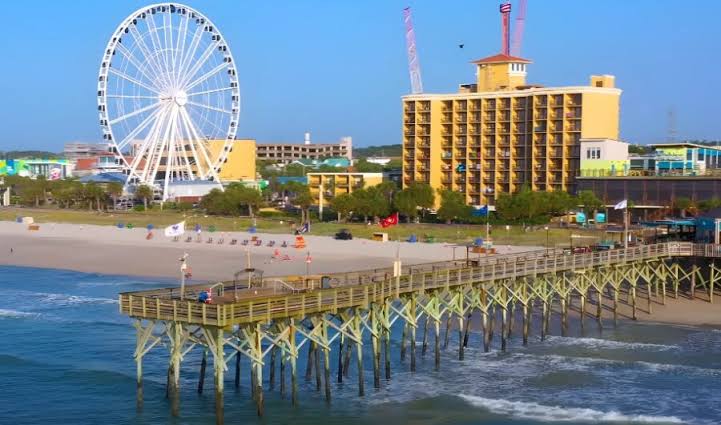
Myrtle Beach, South Carolina, is one of the most popular coastal destinations in the United States, known for its wide beaches, entertainment venues, restaurants, golf courses, and busy tourism industry. Yet, searches for why is Myrtle Beach so dangerous have become common among travelers who hear stories about crime, accidents, fights, or unsafe areas.
The reality is more complicated than simply labeling the entire city dangerous. Myrtle Beach has a large seasonal population, heavy tourist traffic, nightlife, and a mixture of residential and commercial neighborhoods. Those conditions can create situations where certain types of crime and public-safety problems appear more noticeable than they would in a quieter community.
| Quick Fact | Details |
|---|---|
| City | Myrtle Beach |
| State | South Carolina, USA |
| Known for | Beaches, tourism, entertainment, golf |
| Major safety concerns | Theft, traffic, nightlife incidents, occasional violent crime |
| Best approach | Stay alert, secure belongings, and avoid risky situations |
Why Is Myrtle Beach So Dangerous in Some Areas?
One reason people ask why is Myrtle Beach so dangerous is the difference between the city’s tourist image and the experiences some visitors encounter. A destination can have beautiful beaches and family attractions while still experiencing ordinary urban problems such as theft, disorder, vehicle crime, and occasional violence.
Crime also does not affect every street or neighborhood equally. Tourist-heavy areas, nightlife districts, parking lots, and locations with large crowds can have different safety concerns from quieter residential communities. Travelers therefore should avoid judging the entire Myrtle Beach area from a single incident or isolated experience.
The FBI’s national crime data also show that crime statistics need context. In 2024, estimated violent crime across the United States declined by 4.5%, while property crime declined by 8.1%. Violent crime includes murder, rape, robbery, and aggravated assault, meaning a city’s overall safety cannot be understood from one headline or one category alone.
Why Is Myrtle Beach So Dangerous During Peak Tourist Season?
Myrtle Beach becomes dramatically busier during spring and summer, and large crowds naturally create additional challenges. More visitors mean more cars, more pedestrians, crowded businesses, packed beaches, and greater demand for hotels and entertainment venues.
A large temporary population can also make certain crimes easier to commit. Visitors may leave phones, wallets, bags, or other belongings unattended while swimming, dining, shopping, or enjoying entertainment. Tourists are also less familiar with their surroundings, which can make them easier targets for opportunistic theft.
Crowding can create another problem: people who would never encounter one another in a quiet community suddenly share busy roads, parking areas, bars, restaurants, and public spaces. Arguments that might remain minor elsewhere can escalate when alcohol, frustration, and large crowds are involved.
Myrtle Beach and Property Crime Concerns
Property crime is one of the reasons visitors may develop concerns about safety. Theft from vehicles, stolen personal belongings, burglary, and other forms of property crime can affect tourist destinations because visitors frequently carry valuable electronics, luggage, cameras, cash, and identification.
A rental car can also become a target if valuables are left visible inside. Travelers sometimes assume that a locked vehicle is enough protection, but leaving bags or electronics in plain sight can increase the temptation for opportunistic thieves.
The best response is straightforward. Keep valuable items with you when practical, lock vehicles, avoid leaving luggage visible, and choose well-lit parking areas. These precautions are useful in Myrtle Beach just as they are in other busy American tourist destinations.
Does Nightlife Make Myrtle Beach Less Safe?
Nightlife is another factor behind questions about why is Myrtle Beach so dangerous. Areas with bars, clubs, restaurants, and late-night entertainment naturally bring together large numbers of people during the same hours.
Alcohol can contribute to impaired judgment, arguments, reckless behavior, and other incidents. Visitors who are unfamiliar with an area may also make poor decisions after drinking, such as walking alone late at night, accepting rides from strangers, or becoming separated from their friends.
This does not mean visitors should avoid nightlife completely. A safer approach is to remain with people you trust, arrange transportation before drinking, keep personal belongings secure, and leave immediately if a situation begins to become aggressive.
Traffic Is an Important Part of the Safety Picture
When discussing why is Myrtle Beach so dangerous, crime is often the first subject people mention, but traffic deserves equal attention. A major tourist destination can experience heavy vehicle and pedestrian congestion, especially during holidays and peak vacation periods.
Visitors may be driving unfamiliar rental cars while pedestrians cross busy roads near hotels, restaurants, shopping areas, and attractions. Drivers can become impatient in congestion, while pedestrians may underestimate how quickly vehicles approach.
Travelers should use marked crossings whenever possible, remain attentive when walking near major roads, and avoid distracted driving. At night, extra caution is particularly important because visibility can be reduced while traffic remains active.
Why Crowded Beaches Can Create Safety Problems
The beach itself is generally associated with relaxation, but crowded coastal areas present their own risks. Strong waves, changing weather, currents, heat, dehydration, and crowded swimming areas can all turn a normal beach day into an emergency.
Visitors sometimes focus so heavily on crime concerns that they overlook environmental hazards. Ocean conditions can change, and even experienced swimmers can find themselves in difficulty when currents become stronger than expected.
Families should keep children within close reach, follow posted beach warnings, pay attention to lifeguard instructions, and avoid entering the water during dangerous conditions. Basic beach awareness can prevent many problems before they begin.
Why Is Myrtle Beach So Dangerous at Night?
Another common concern is whether Myrtle Beach becomes significantly more dangerous after dark. Nighttime can increase certain risks because fewer people are present in some areas, visibility decreases, and entertainment districts may become busier.
The safest strategy is not to assume that every dark street is dangerous, but to make sensible decisions about where and how you travel. Well-lit streets, populated areas, reputable transportation, and groups of trusted companions generally provide a stronger safety margin.
Visitors should also avoid exploring unfamiliar isolated areas simply because they appear interesting at night. A vacation is not the right time to test the limits of personal safety in an unfamiliar environment.
Is Myrtle Beach Dangerous for Families?
For families, the answer is more nuanced than a simple yes or no. Myrtle Beach attracts large numbers of families every year, and most visitors complete their vacations without experiencing serious crime.
Family safety depends heavily on location, timing, behavior, and awareness. Parents can reduce unnecessary risks by establishing meeting points, keeping children within sight, securing valuables, and choosing accommodations with appropriate security measures.
It is also useful to distinguish between genuine safety concerns and frightening stories circulating online. A dramatic incident can receive considerable attention precisely because it is unusual, while thousands of ordinary and uneventful visits receive little attention.
Why Is Myrtle Beach So Dangerous According to Online Stories?
Online discussions can make a destination appear more dangerous than everyday experience suggests. People are more likely to share stories about frightening encounters, crimes, accidents, or unusual incidents than ordinary evenings when nothing happened.
This creates a form of selection bias. If someone searches specifically for dangerous experiences, they can quickly find numerous examples, even when those examples represent only a small fraction of the total number of visitors.
That does not mean negative reports should be ignored. Instead, travelers should evaluate them alongside official crime information, local guidance, current conditions, and the specific neighborhood or activity being considered.
How Visitors Can Stay Safer in Myrtle Beach
Visitors asking why is Myrtle Beach so dangerous can take several practical steps to reduce their exposure to common risks. The first is simple situational awareness: know where you are, keep your belongings secure, and pay attention to the people and environment around you.
Avoid displaying large amounts of cash or expensive electronics unnecessarily. Keep hotel rooms and vehicles locked, and do not leave valuable belongings unattended on the beach or inside a parked car.
At night, travel with companions when possible and use reliable transportation. If an environment feels increasingly uncomfortable, leaving early is usually a better decision than waiting for a situation to become serious.
What Travelers Should Know About Crime Statistics
Crime statistics are useful, but they must be interpreted carefully. A crime rate can be influenced by population size, reporting practices, seasonal visitors, geography, and the specific offenses included in a calculation.
The FBI’s Crime Data Explorer explains that crime rates are calculated using reported offenses and population figures, while trends depend on agencies providing comparable reporting periods. This means statistics should be treated as evidence rather than as a complete description of what every visitor will experience.
Nationally, recent FBI data show broad declines in reported violent and property crime, although local conditions can differ substantially from national trends. The FBI’s current Crime Data Explorer provides agency-level information for examining crime more specifically rather than relying solely on general impressions.
Is Myrtle Beach Actually Dangerous?
So, why is Myrtle Beach so dangerous according to the evidence? The better conclusion is that Myrtle Beach has real safety concerns, but describing the entire destination as uniformly dangerous is misleading.
Its popularity, seasonal crowds, nightlife, traffic, and concentration of tourist activity can increase opportunities for theft, accidents, conflicts, and other incidents. At the same time, millions of people visit coastal destinations without experiencing serious problems.
The smartest approach is neither to ignore safety concerns nor to become unnecessarily frightened. Visitors should understand the risks, make sensible choices, stay aware of their surroundings, and use additional caution in crowded or unfamiliar areas.
Final Thoughts on Why Is Myrtle Beach So Dangerous
The question why is Myrtle Beach so dangerous deserves a balanced answer rather than a sensational one. Myrtle Beach is a busy tourist city with the same types of public-safety challenges found in many popular American destinations, and some circumstances can increase those risks.
Visitors can greatly reduce their exposure by securing valuables, driving carefully, staying together at night, paying attention to beach conditions, and avoiding confrontational or unfamiliar situations.
Ultimately, Myrtle Beach should not be defined by its worst incidents. A well-prepared traveler can enjoy its beaches, attractions, restaurants, and entertainment while maintaining sensible awareness throughout the trip.
Read more: Henry Hill: The Real Story Behind the Goodfellas Legend